Popcorn Ceiling Removal in Older Gainesville Homes: Test for Asbestos First
October 6, 2026
Frequently Asked Questions
What is the unit price for new drywall?
$2.00 to $3.50 per square foot in 2026, hung and finished. Board, tape, mud, and sanding are in that range.
What adds the most cost?
Area first. Then finish level, ceiling height, and texture. Paint is priced apart in most bids.
How do I read a bid?
Each line should name the work and its price: board, hang, finish, texture. If a bid is one lump sum, ask for the lines.
What finish level do I need?
Level 4 is the norm for walls that get flat or eggshell paint. Level 5 is best under gloss paint or hard side light.
Do patches come with a firm price?
Yes, after the free check. Most patches are $250 to $900 based on size and texture work.
Which towns do you serve?
Gainesville, Newberry, Alachua, and High Springs. Each town page shows its own ranges and facts.
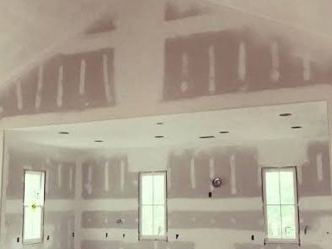
Plenty of Gainesville homes from the 1960s and 70s — around the university, in older northwest neighborhoods, out toward Newberry — still wear their original popcorn ceilings. Every fall, a few homeowners decide the texture is finally coming down, rent a sprayer and a scraper, and start in the living room. If the house is old enough, that is exactly backwards. The test comes first.
Why the date of the house matters
Acoustic ceiling texture sprayed on before the 1980s often contained asbestos fibers, used at the time for fire resistance and strength. The U.S. Environmental Protection Agency notes that asbestos in the home is usually only a problem when the material is damaged or disturbed — left alone and in good shape, it is generally not a hazard. Scraping, sanding, and tearing out are exactly the disturbances that release fibers into the air, which is why the EPA's guidance is to have suspect material tested before any removal work, and to use a licensed asbestos contractor when a test comes back positive.
There is no way to tell by looking. Two ceilings in the same Gainesville subdivision, built the same year, can test differently, because builders used what was on the truck. Color, texture, and sparkle tell you nothing reliable.
How testing works
A test is simple and cheap compared to the cost of doing a removal twice. A small sample — a coin-sized piece of texture taken from an inconspicuous corner, wetted first to keep dust down — goes to a lab, which reports whether asbestos is present and at what percentage. Many pros take samples from two or three spots, because texture was sometimes patched with a different product over the years.
While you wait on results, leave the ceiling alone. Do not sand a rough edge, do not drill into it for a light fixture, and keep a damaged, crumbling section from shedding dust — a gentle mist of water and a sheet of plastic under it is a reasonable holding move until the lab answers.
If the test is negative: the normal removal path
A negative test means the ceiling can come down the ordinary way, which is the work described on our popcorn ceiling removal page: the room is emptied and masked, the texture is wetted and scraped, and the ceiling underneath is skimmed, sanded, and primed, because the board under popcorn was usually finished rough — the texture was hired to hide it. Plan on the skim work; a scraped ceiling is almost never ready to paint as-is.
Fall is a decent season for it in Gainesville: the worst of the summer humidity is easing, compound dries more predictably, and the house can be opened up on mild days while work is going on.
What about just painting over it?
Painting a popcorn ceiling is the third option, and sometimes the right one: a sound ceiling in good shape can be sealed with paint and left alone for years, which the EPA's guidance supports — undisturbed material in good condition is generally not a hazard. Two cautions. First, popcorn drinks paint; expect to use far more than a flat ceiling would take, and a sprayer does the job with less risk of the wet texture slumping off than a heavy roller. Second, paint does not fix a ceiling that is already stained, sagging, or crumbling — those are signs of water or age damage, and covering them just hides a problem that is still moving.
If the ceiling has water stains, sort the leak first, the way you would with any ceiling repair. Texture over a wet ceiling traps the moisture story inside, and it will write its way back out through the new paint by spring.
One last timing note: if you are planning to sell the house, settle the ceiling question before the listing photos, not after an inspector raises it. A tested, documented ceiling — in either direction — is a fact a buyer can accept. An untested popcorn ceiling in a 1975 house is a question every buyer's agent will ask out loud.
If the test is positive
A positive test changes the contractor, not the goal. Removal becomes asbestos abatement: licensed specialists, containment, negative air, and regulated disposal. It costs more than a standard scrape, and that is not a place to shop for shortcuts. The other honest option is to leave the ceiling in place and cover it — a new layer of drywall over the old ceiling, or a beadboard or plank cover — which seals the texture in without disturbing it. Covering is often the smarter buy in a house you plan to stay in, and we can talk through both routes.
Either way, start with the test. Call (352) 649-3354 and we will point you to the testing step first, then price the removal or the cover once the lab result is in — in writing, with the result attached to the estimate.